KETTON NOVEC 1230 FIRE SUPPRESSION SYSTEM
UL Listed Clean Agent Fire Suppression Systems
1. What is Novec™ 1230?
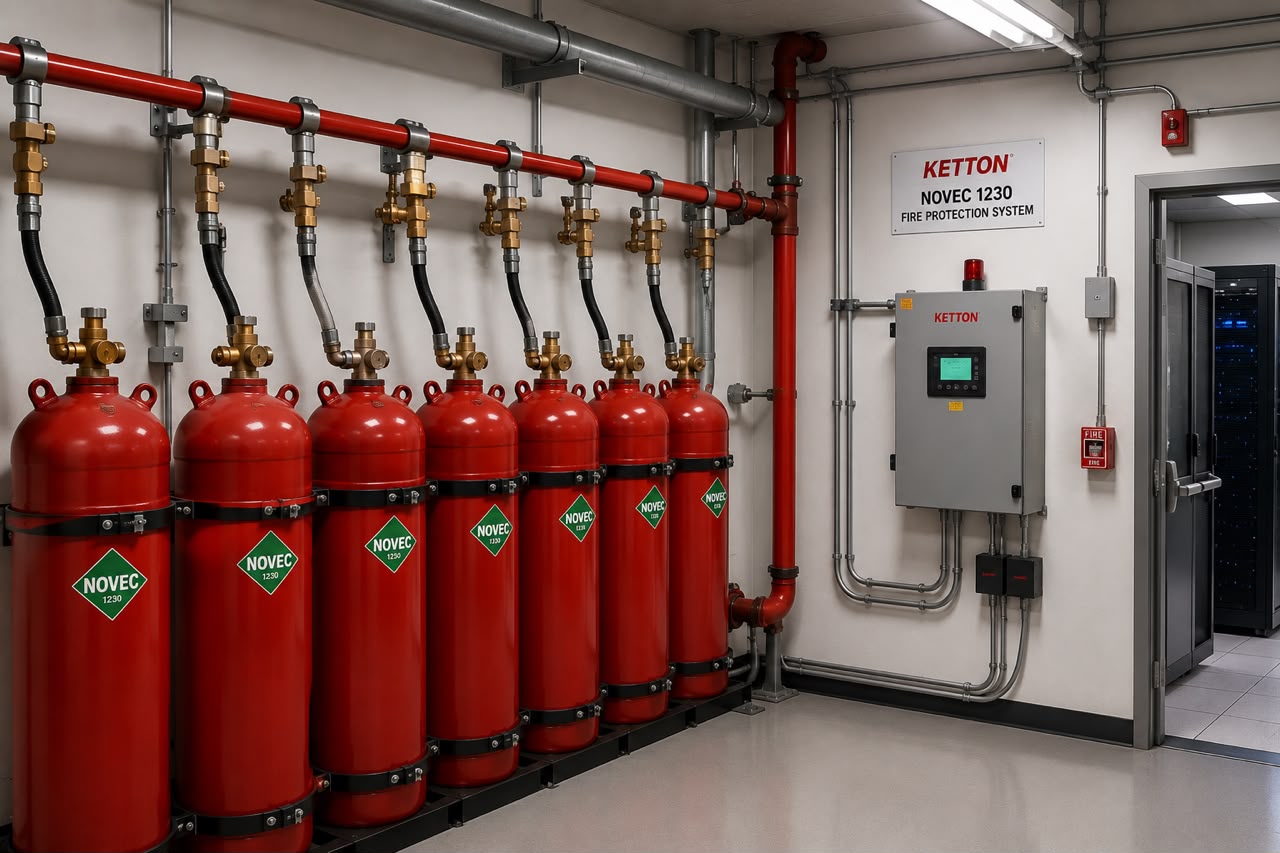
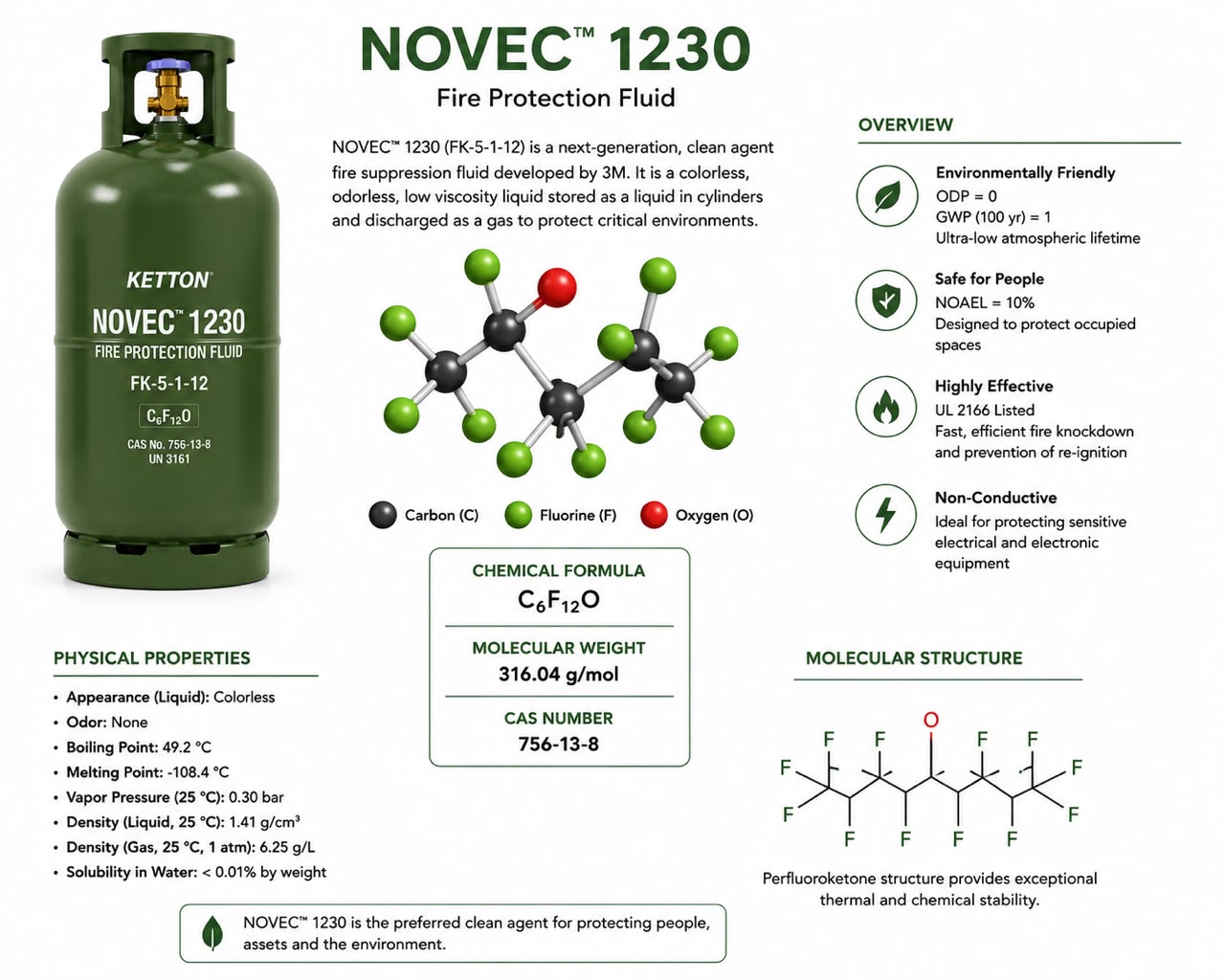
KETTON Novec 1230 clean agent fire suppression systems use FK-5-1-12 technology to protect critical assets with fast, clean and environmentally responsible fire suppression. The agent is stored as a liquid and discharged as a gas, providing effective total flooding protection without leaving residue.
The agent used in this system is FK-5-1-12 / Dodecafluoro-2-methylpentan-3-one. It is selected for total flooding applications where the protected space must be extinguished rapidly without water damage, powder contamination or long clean-up periods.
2. Gas / Agent Characteristics
- Extinguishing agent: FK-5-1-12 / Dodecafluoro-2-methylpentan-3-one
- System type: total flooding clean agent fire suppression system
- Storage: stored in approved cylinders under pressure as a liquefied compressed agent
- Discharge: released through engineered pipework and discharge nozzles
- Residue: no solid residue after discharge
- Electrical conductivity: electrically non-conductive
- Typical use: enclosed critical rooms and asset protection areas
| Novec 1230 type systems are often selected for projects where environmental profile is an important factor. The agent offers clean discharge, zero ozone depletion potential and a very low global warming impact compared with traditional halocarbon agents. |
3. How the Agent Extinguishes Fire
Novec 1230 suppresses fire by rapidly absorbing heat from the flame zone. It is discharged through an engineered pipe network and nozzles, quickly filling the protected enclosure and reaching the required design concentration to suppress the fire.
A clean agent system is designed to reach a specific design concentration and maintain that concentration for a required hold time. Therefore, room integrity, leakage paths, dampers, ventilation shutdown and pressure relief must be reviewed during design.
4. System Operation Sequence
- Automatic detectors identify fire conditions in the protected enclosure.
- The releasing panel confirms the alarm and activates audible/visual warnings.
- A pre-discharge delay may allow personnel to leave the area where required.
- Solenoid, pneumatic or manual actuation opens the cylinder valve.
- The agent flows through pipework and nozzles into the protected room.
- Fire is suppressed rapidly and the room is held at the required concentration.
- The system is inspected, recharged and recommissioned after discharge.
5. Advantages for Critical Facilities
- Rapid suppression before fire growth causes major damage
- No water exposure to electrical equipment, documents or assets
- No powder or foam residue to clean after discharge
- Suitable for high-value and mission-critical installations
- Compact and flexible cylinder arrangements
- Can be integrated with fire alarm, HVAC shutdown and building management systems
- Supports continuity of operations and reduces secondary damage
5. Typical Applications
Data Centres and Server Rooms
Clean agents protect servers, storage equipment and network infrastructure without water damage or residue. Fast suppression helps reduce downtime and protects business continuity.
Electrical Switch Rooms
Electrically non-conductive agents are suitable for electrical environments where water-based suppression could create secondary damage or safety concerns.
UPS and Battery Rooms
Critical power rooms require fast suppression and careful engineering. Enclosure integrity, ventilation shutdown and hazard-specific design review are essential.
Telecommunication Facilities
Telecom spaces require continuous operation and reliable protection for sensitive electronic equipment, cables, racks and control systems.
Control Rooms
Process control rooms, SCADA rooms and automation spaces contain high-value equipment that must remain clean and operational after a fire event.
Museums and Archives
Clean agents are well suited to areas containing documents, artefacts and collections because they leave no water, foam or powder residue.
Healthcare and Laboratories
Medical equipment rooms and laboratories require clean fire protection where contamination and long clean-up times are unacceptable.
Oil, Gas and Industrial Facilities
Clean agent systems can protect enclosed electrical rooms, control cabinets, analyzer rooms and other critical indoor hazards within industrial sites.
6. Available Cylinder Sizes
KETTON systems are available with multiple cylinder families. Final cylinder selection is based on protected volume, selected agent, design concentration, pipe network, available cylinder room space and hydraulic calculation.
25 Bar TPED Welded Cylinder Series
16.6 L, 32 L, 52 L, 70 L, 100 L, 120 L, 150 L, 180 L, 200 L, 240 L, 300 L, 369 L and 420 L.
42 Bar Seamless Cylinder Series
30 L, 50 L, 80 L, 100 L, 140 L and 180 L.
42 Bar TPED Welded Cylinder Series
32 L, 52 L, 70 L, 100 L, 120 L, 150 L, 180 L, 200 L and 240 L.
50 Bar Seamless Cylinder Series
30 L, 50 L, 80 L, 100 L, 140 L and 180 L.
| For Novec™ 1230 systems, exact cylinder selection depends on agent quantity, fill density, design concentration, pipework layout and authority requirements. |
7. System Accessories and Components
| A clean agent system is not only a cylinder and gas. Reliable performance depends on a complete, compatible assembly of cylinders, valves, release devices, detection, controls, pipework and discharge nozzles. |
Storage Cylinders
High-pressure agent storage cylinders hold the clean agent in a stable condition until system activation. Cylinder quantity and capacity are selected according to room volume, design concentration, pipe network and discharge calculation.
Cylinder Valve
The cylinder valve controls the release of agent from the cylinder. It may be operated electrically, pneumatically or manually depending on the system configuration and project requirements.
Pressure Gauge
The pressure gauge gives a visual indication of cylinder pressure for routine inspection and maintenance. It helps confirm that the cylinder remains within the acceptable operating pressure range.
Low Pressure Switch
A low-pressure switch provides a supervisory signal if cylinder pressure falls below the required level. This allows the fire alarm or releasing panel to indicate a fault before system performance is affected.
Flexible Discharge Hose
The discharge hose connects the cylinder valve to the manifold or fixed pipework. It absorbs minor alignment differences and supports safe installation of the cylinder bank.
Check Valve
Check valves prevent reverse flow in multi-cylinder manifold arrangements. They are essential when several cylinders discharge into a common pipe network.
Selector Valve
A selector valve allows one cylinder bank to protect multiple hazards by directing agent to the selected zone. This arrangement is commonly used in multi-room or multi-zone systems.
Manifold
The manifold collects discharge from multiple cylinders and directs it into the main pipe network. It must be sized and installed according to the approved hydraulic calculation.
Discharge Nozzle
Discharge nozzles distribute the agent throughout the protected enclosure. Nozzle quantity, location, orifice size and orientation are critical for achieving proper agent concentration.
Solenoid Actuator
The solenoid actuator receives the electrical release signal from the extinguishing control panel and operates the cylinder valve or pilot system.
Pneumatic Actuator
Pneumatic actuators are used in master/slave or pilot-operated cylinder arrangements where pressure from the pilot cylinder activates additional cylinders.
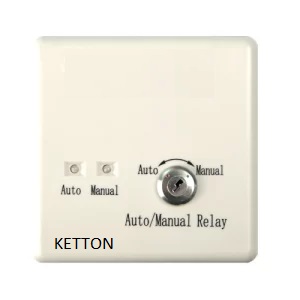
Manual Actuator
Manual actuators provide local emergency release when required by the project design. They are used by trained personnel after confirming the protected area is ready for discharge.
Pilot Cylinder
Pilot cylinders are used to pneumatically operate selector valves or multiple cylinder valves. They are common in larger systems and multi-zone installations.
Extinguishing Release Panel
The release panel receives detection inputs, manages alarm stages, controls time delay and initiates system discharge. It also supervises release circuits, abort input and fault conditions.
Abort Switch
An abort switch may be used to pause or delay discharge where permitted by the applicable standard and authority. It must be designed and used carefully to avoid compromising fire protection.
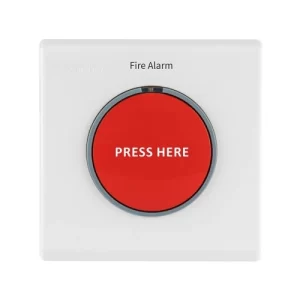
Manual Release Station
A manual release station allows activation of the system from a safe location. It is normally installed near exits or designated operating points.
Sounder / Strobe / Discharge Sign
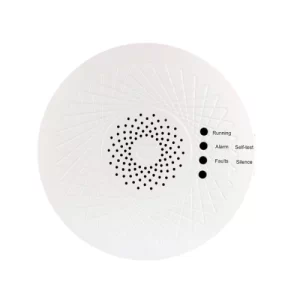
Audible and visual warning devices alert occupants before and during agent discharge. Discharge indicators help identify areas where the system has operated.
Smoke and Heat Detectors
Detection devices provide the initiating signal for the release sequence. Clean agent systems commonly use cross-zone smoke detection to reduce unwanted discharge risk.
8. Engineering Design and Project Support
Clean agent systems must be engineered for each protected enclosure. The correct agent quantity, cylinder capacity, pipe diameter, nozzle arrangement and discharge characteristics must be verified by design calculation and approved documentation.
- Room volume and hazard classification review
- Agent quantity and design concentration calculation
- Hydraulic calculation and pressure loss verification
- Pipe sizing, nozzle selection and discharge time verification
- Cylinder quantity, capacity and pressure series selection
- Room integrity review and hold-time considerations
- CAD layout, bill of materials and project submittal support
- Commissioning, maintenance and recharging support
9. Standards, Listing and Compliance
Project compliance depends on the exact system configuration, approved manuals, local authority requirements and installed components. KETTON clean agent systems are positioned for professional projects requiring documented engineering and internationally recognized fire protection practices.
- NFPA 2001 – Clean Agent Fire Extinguishing Systems
- UL Listed clean agent technologies and compatible system components where applicable
- LPCB certified addressable fire alarm solutions for complete fire detection integration
10. Website FAQ Content
Where is Novec™ 1230 used?
Novec™ 1230 is commonly used in data centres, server rooms, electrical switch rooms, UPS rooms, telecom facilities, control rooms, museums, archives and other critical enclosed spaces.
Does the system leave residue?
No. The agent leaves no solid residue after discharge, reducing clean-up requirements compared with powder or foam systems.
Can it be used around electronics?
Yes. Clean agents are electrically non-conductive and are suitable for sensitive electronic equipment when properly designed and installed.
Does the room need to be sealed?
The protected enclosure must be capable of retaining the design concentration for the required hold time. A room integrity review or test is commonly required.
Who should design the system?
The system should be designed by competent fire protection engineers using approved design methods, hydraulic calculation and project-specific documentation.
11. Why Choose KETTON
- UL Listed clean agent fire suppression systems
- LPCB certified addressable fire alarm systems
- Engineering support and documentation
- Flexible cylinder range and system components
- Professional support for consultants, contractors and system integrators